All Medical School Guides

Medical School
Interview Myths

There is plenty of advice about how you are “supposed” to behave at a Medical School interview. Unfortunately, not all of it is true. Here are some insights from a Medical School Interviewer.

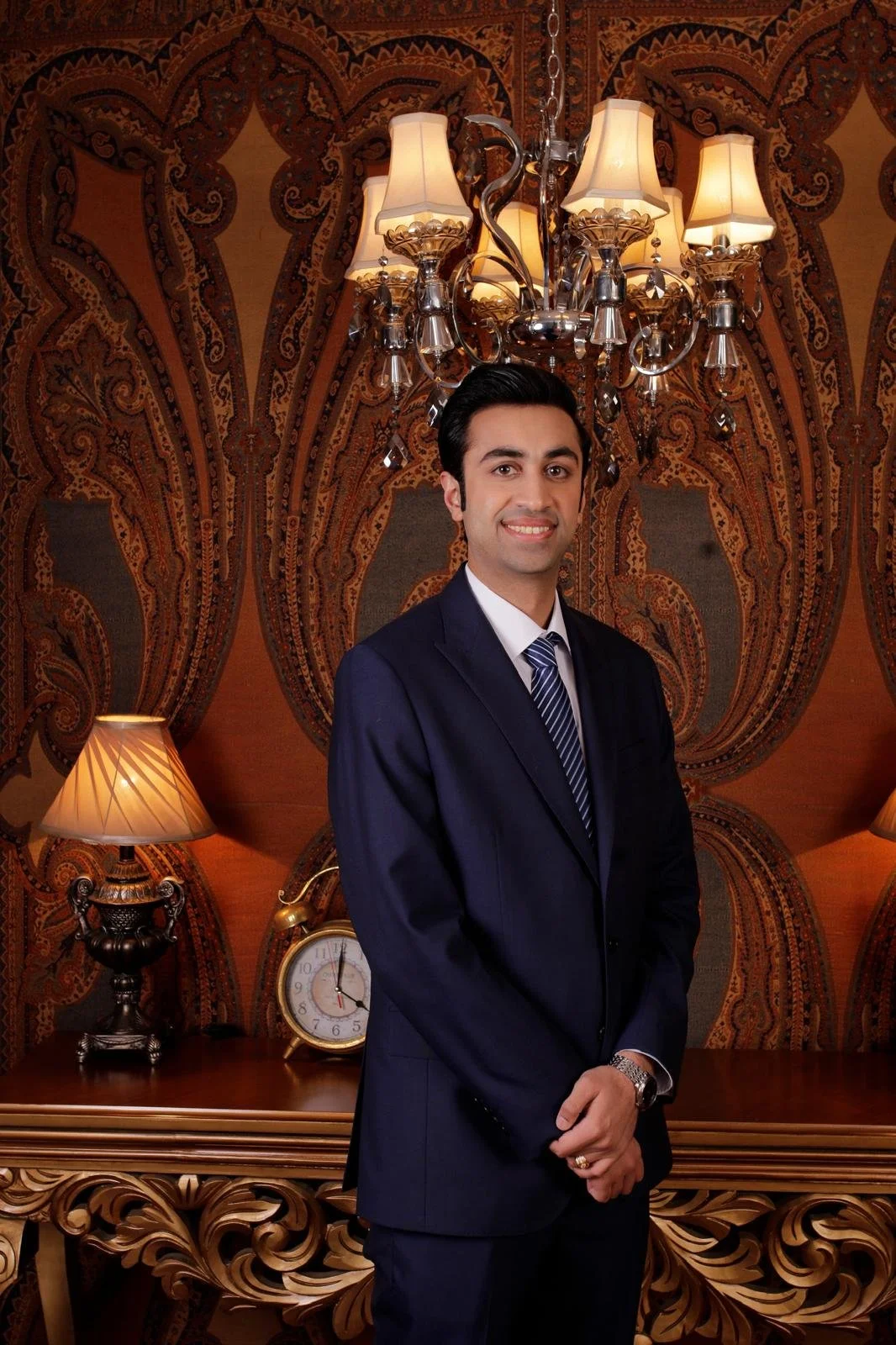
Dr Usama Ali
Dr Usama Ali Medical School Interviewer & NHS Cardiology Registrar
Updated
August 2026
BEFORE WE START

Why these myths matter

There is an abundance of information out there about how best to prepare for the Medical School interview. A lot of this information comes from people who have never sat on the interview panel. On this page, we will talk about 3 common myths when it comes to the Medical School interview - according to a real Medical School interviewer.

Good interview preparation should help you become more comfortable being yourself — not teach you to perform a completely different version of yourself.

MYTH 01

Myth 1: The interviewers are told to catch people out and are looking for special, hidden traits

Many people are taught about ‘hidden’ questions or traits that interviewers are supposedly looking for. As a Medical School interviewer, even I don’t know what hidden qualities or traits I am supposed to be looking for!

In general, medical school interviewers are not trying to catch people out. Remember that a lot of Medical School interviewers - especially if they are doctors themselves - remember quite clearly what it was like to be on the other side when they themselves were being interviewed.

This means that they are often quite sympathetic, and trying to gain the best out of you. Don’t worry if they are probing you. This often means that they’re trying to get you the most marks possible, and it’s not because they’re trying to make you feel uncomfortable or trying to catch you out.

THE MYTH “The interviewer is trying to catch me out.”
THE REALITY Probing questions may simply be an opportunity to develop your answer.
INTERVIEWER'S INSIGHT

If an interviewer asks you to expand on something, don’t immediately assume your first answer was wrong. They may simply be giving you an opportunity to show more of your reasoning and pick up additional marks.

MYTH 02

Myth 2: I need to sound a specific way because that’s how doctors speak

Yes, it is true that we are (obviously) assessing your suitability to be a doctor. However, many applicants are told to speak a certain way, or to avoid certain phrases because it ‘doesn’t sound like a doctor.’

There is no one type of doctor - we all have different traits and personalities. In fact, it is very important for doctors to have different traits, as this allows us to all work together and provide better care for a patient population that is diverse. Therefore, don’t try to change the way you speak to something that is completely unnatural for you. It doesn’t work, and it can make people sound a bit robotic or rehearsed.

Instead, ensure that you use your own traits as a strength, by letting your own unique, specific traits come out.

WHAT INTERVIEWERS DON'T NEED

One single personality type.

Communicate naturally
Let your personality show
Be professional without performing
THE MYTH “I need to learn how a doctor is supposed to sound.”
THE REALITY Be professional, but communicate in a way that still sounds like you.
MYTH 03

Myth 3: I need to give a unique or controversial answer to make myself stand out

Many applicants are told to sound unique or, even worse, a bit controversial to make themselves stand out. Whilst it’s true that competition ratios are fierce and there are many excellent medical applicants out there, you don’t need to sound unique or special to get into medical school.

Instead, you need to sound organised, have clear and valid points that are backed up by examples. In my experience, the ones who try hard to sound unique end up messing their interview up. This is because they clearly end up sounding robotic or, worse, they end up saying something controversial that doesn’t go down well at the interview.

If you have a unique story, by all means mention it - but don’t make things up just for the sake of wanting to ‘stand out’.

WHAT ACTUALLY HELPS YOU STAND OUT

Strong answers do not need to be strange answers.

01 A clear point
02 A genuine example
03 Thoughtful reflection
DR ALI'S INSIGHT

Most applicants will discuss many of the same broad themes. What makes your answer personal is the example you choose and the way you reflect on it.

IN SHORT

You don't need to be someone else

Prepare properly, know what you want to say and practise articulating your thoughts — but allow your own personality, experiences and enthusiasm to come through.

Dr Usama Ali
ABOUT THE AUTHOR

Dr Usama Ali

NHS Cardiology Speciality Registrar & Medical School Interviewer

Dr Ali did his Medical Degree at Imperial College London, and graduated with a Distinction in Medicine. He also graduated with an intercalated BSc in Endocrinology, and won a prize from the Society for Endocrinology for his research work investigating islet cell transplantation.

He is now working as a Speciality Registrar in Cardiology (ST4). He has interviewed for various Medical Schools over the years, and has helped support hundreds of students through their Medical School Applications.

He is involved in both teaching and examining Medical Students, and has delivered lectures at various Medical Schools - including Oxford, Imperial and Kings - on Medical Student wellbeing. He has a passion for supporting both Medical Applicants and Medical Students, both in education and with wellbeing.

Dr Ali makes sure that he personally teaches and looks through the application of every Medical Applicant on Medical Interview Masters.

Imperial College London graduate
Experienced Medical School interviewer
Personally delivers Medical Interview Masters teaching