
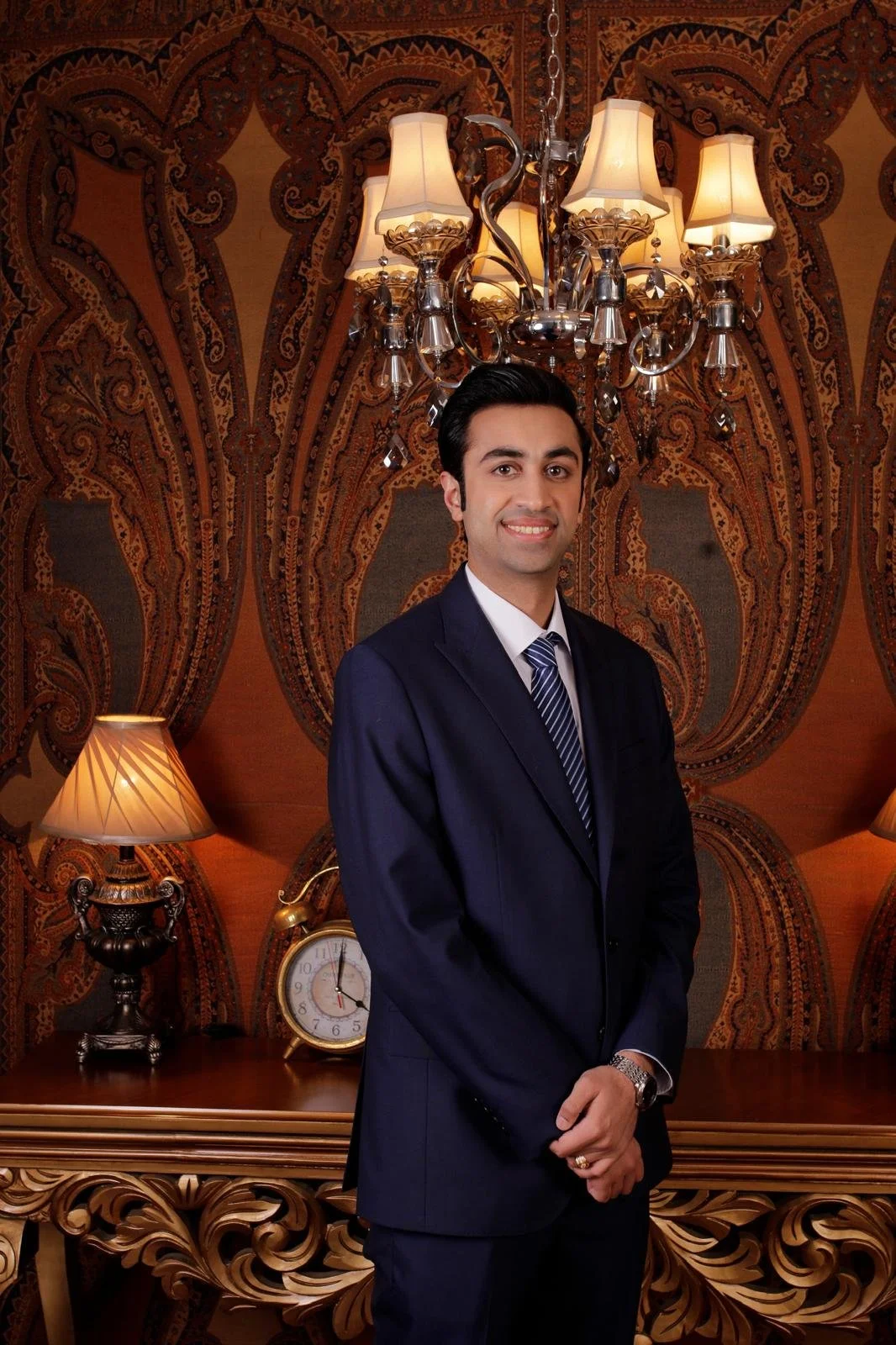
Interviewers are people too
It can often feel a little bit overwhelming in trying to impress Medical School Interviewers. There is an imaginary divide between those big, scary interviewers and what a lot of them are actually like. The key thing to remember is that every single Medical School interviewer who is also a doctor has been in the exact same position as you at some stage. In fact, a lot of them remember that situation well.
Here are some top tips from a real Medical School interviewer.
We will not be revealing any of the admissions policies of Medical Schools, or of any of the questions that they ask. These are generic tips which we hope you will find helpful.
Tip 1: Sound enthusiastic!
Medicine is a long and hard course. You will experience some real highs but sadly, you will also experience some lows. Based on this, one of the key things that I personally like to see is someone who is clearly enthusiastic about the career.
This can be hard to do, particularly when you are nervous, but do try to show off your love for medicine. In excellent cases, it can remind me of why I also love medicine, and this can translate into points at the interview.
You do not need exaggerated enthusiasm. Aim for genuine interest, energy and engagement with the question you are answering.
Tip 2: Do not go over the top in trying to sound ‘unique’
Often, people get quite bogged down on wanting to sound ‘unique’. Whilst it is important to stand out, in my experience, the ones who truly stood out are those who have given some outrageous answer which we remember for the wrong reasons.
Therefore, don’t get too bogged down on this. In general, we are looking for someone who is sensible, have clear enthusiasm in their answers, can clearly articulate and (ideally) be someone who we can see as a doctor. Whilst it’s always good to see something positively unique, it isn’t the be-all and end-all, and we can tell a mile off when someone is trying to be different for the sake of being different.
Your experiences are already unique to you. You usually stand out far more effectively by explaining a genuine experience well than by deliberately trying to invent an unusual opinion.
Tip 3: Don’t focus on your previous answer or station
Sometimes, a station or previous question will not have gone as well as you would have liked. Don’t worry - put it quickly behind you, and don’t let it affect your next answer.
The same is true for if you feel as though you’ve nailed a station or question. In fact, it’s not uncommon for people to end up complacent if they feel as though they are doing well - and this can end up with unexpected results. So, focus on the here and now, and don’t let either a good or bad experience affect the way in which you answer questions.
Tip 4: Give examples to back your points up
In general, a list of points or description is unlikely to go very far at interview. Instead, make sure you can back your points with examples. For example, don’t just say you are good at teamwork. Give an example of when you worked well in a team to back it up.
That makes your point a lot stronger, and it is these examples which will make you stand out more. Whilst everyone is likely to have similar points, not everyone will give an example.
“I am good at teamwork.”
“During my volunteering, I worked with other volunteers to organise...”
Many applicants will tell us that they are good communicators, team players or leaders. The example is what gives the claim credibility — and gives the interviewer something specific to remember about you.
Tip 5: Get your key point in early
In general, people lose concentration if you talk for too long, so avoid answers that are longer than about 1.5 minutes. People also lose concentration towards the end of the answer - so don’t use the ‘save the best until last’ strategy. Rather, get straight to the key point. This will ensure that the interviewer is able to give their full attention to you, and will also set you up to give an all round excellent answer.
Lead with the point. Then explain it.
Answer the question early.
Give your reasoning.
Back it up if appropriate.
Conclude concisely.
What are interviewers looking for?
There is no magic sentence that guarantees a strong interview. Focus on coming across as enthusiastic, sensible and genuine. Answer the question clearly, support your points with examples and treat every station as a fresh opportunity.